

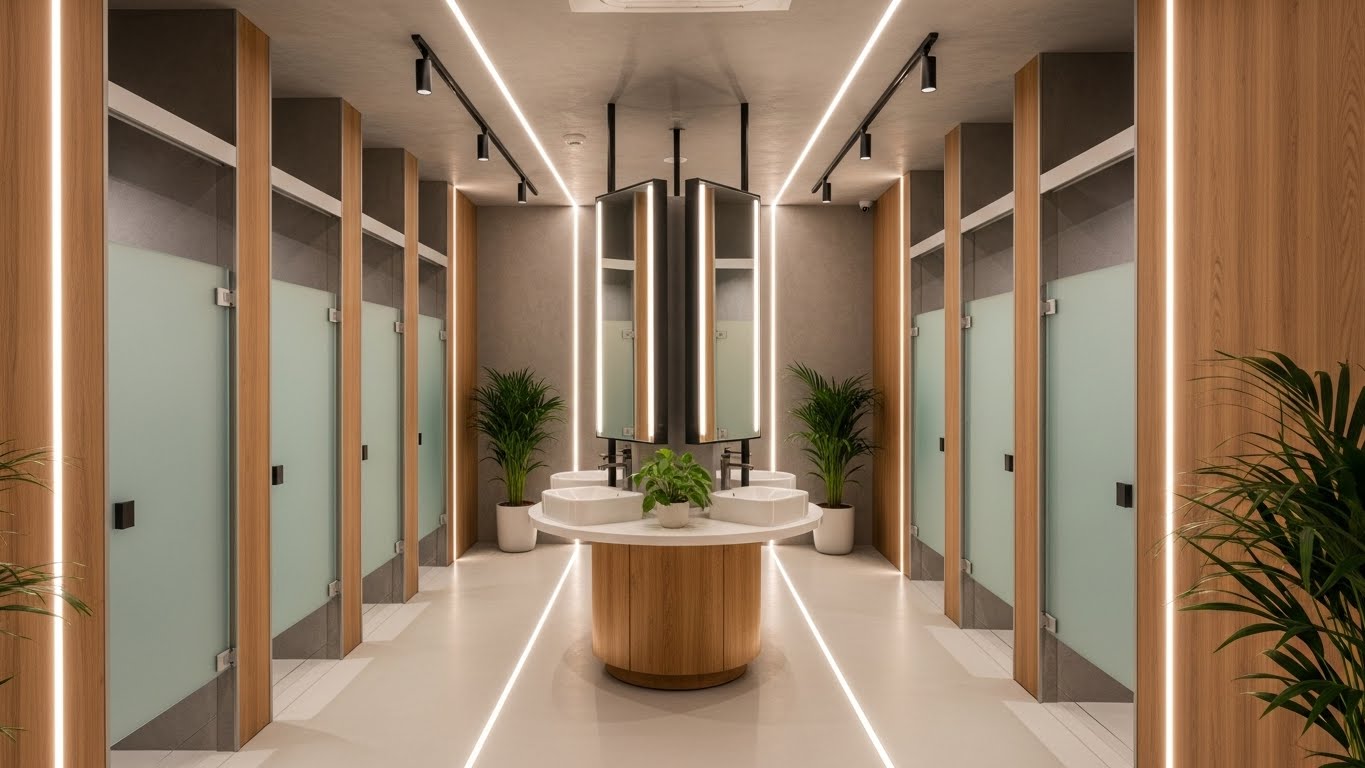
The idea behind sqrwomensrestroom reflects a modern shift in how public and private spaces are designed for women. In today’s fast-moving world, restrooms are no longer just functional spaces. They have become areas that represent comfort, hygiene, accessibility, and thoughtful architecture. The sqrwomensrestroom concept blends practicality with modern design standards, offering an experience that prioritizes safety, cleanliness, and dignity while responding to the evolving needs of women across different environments.
Understanding the Purpose of sqrwomensrestroom in Contemporary Spaces
The growing discussion around sqrwomensrestroom focuses on more than physical infrastructure. It highlights a broader understanding of inclusivity and user-centric design. Women from diverse backgrounds require facilities that are intuitive, well-maintained, and adaptable to different cultural and social expectations. This concept emphasizes proper spacing, efficient layouts, and materials that enhance hygiene while maintaining visual appeal.
Within commercial buildings, transport hubs, educational institutions, and recreational areas, this approach reshapes how planners think about restrooms. Instead of being overlooked, these spaces are now carefully integrated into architectural plans.
Architectural Evolution Influenced by sqrwomensrestroom
Architecture has changed significantly over the past few decades, and restroom design has evolved along with it. The sqrwomensrestroom concept aligns with minimalistic yet functional architecture. Designers focus on natural lighting, ventilation, and durable materials that reduce maintenance while enhancing comfort.
In many modern structures, this concept has influenced the placement and flow of restroom areas. Corridors are wider, entry points are clearly marked, and layouts allow for privacy without creating isolated or unsafe corners. These architectural considerations reflect a deeper understanding of how women interact with public spaces.
Hygiene and Technology Integration in sqrwomensrestroom
Hygiene remains a central pillar of sqrwomensrestroom design. Advanced technology now plays a key role in maintaining cleanliness and efficiency. Touchless fixtures, sensor-based lighting, and automated cleaning systems are increasingly common. These innovations reduce contact with surfaces and help maintain sanitary conditions throughout the day.
The following table is integrated within this discussion to illustrate key hygiene features commonly associated with modern restroom concepts.
| Feature Category | Traditional Restrooms | sqrwomensrestroom Inspired Design |
|---|---|---|
| Handwashing Systems | Manual taps | Sensor-based taps |
| Waste Disposal | Standard bins | Sealed hygienic units |
| Lighting | Basic switches | Motion-activated lighting |
| Cleaning Cycles | Manual scheduling | Automated monitoring |
This comparison shows how thoughtful upgrades significantly improve user experience and health standards.
Cultural and Social Importance of sqrwomensrestroom
Beyond physical design, sqrwomensrestroom represents a cultural shift. Restrooms are deeply connected to dignity and personal comfort, particularly in public settings. When these spaces are poorly designed or neglected, they reflect broader social neglect. Conversely, well-maintained and thoughtfully designed facilities communicate respect and awareness.
In many regions, improving women’s restrooms has contributed to increased participation in public life. Women feel more confident spending time in public spaces when essential facilities meet their needs. This connection between infrastructure and empowerment cannot be overlooked.
Accessibility and Inclusivity Through sqrwomensrestroom Design
Accessibility is another key factor embedded in sqrwomensrestroom planning. Designers now consider the needs of women with disabilities, elderly users, and caregivers with children. Wider stalls, support rails, and clearly marked pathways ensure that facilities are usable by everyone.
Inclusivity also extends to cultural sensitivity. Some designs incorporate private washing areas or adaptable spaces that respect different customs without compromising functionality. These considerations help create environments where all users feel welcome.
Sustainability and Environmental Awareness in sqrwomensrestroom
Sustainability has become an essential part of modern construction, and sqrwomensrestroom design aligns well with eco-friendly principles. Water-saving fixtures, energy-efficient lighting, and recyclable materials reduce environmental impact while lowering operational costs.
The table below, presented as part of the narrative, highlights sustainable elements commonly adopted.
| Sustainability Aspect | Environmental Benefit | Practical Outcome |
|---|---|---|
| Low-flow fixtures | Reduced water usage | Lower utility costs |
| LED lighting | Energy efficiency | Longer lifespan |
| Recycled materials | Less waste | Durable construction |
| Smart monitoring | Resource optimization | Efficient maintenance |
These features demonstrate how sustainability and usability can coexist seamlessly.
User Experience and Emotional Comfort in sqrwomensrestroom
Emotional comfort plays a significant role in how spaces are perceived. The sqrwomensrestroom concept acknowledges that calm colors, pleasant lighting, and thoughtful layouts can reduce stress. In busy environments such as airports or malls, a well-designed restroom can provide a moment of relief and privacy.
Soft textures, sound-absorbing materials, and subtle fragrances contribute to a more welcoming atmosphere. These elements transform a purely functional space into one that supports mental well-being.
Maintenance Efficiency and Long-Term Value of sqrwomensrestroom
From a management perspective, sqrwomensrestroom designs offer long-term advantages. Durable materials and smart systems reduce frequent repairs and manual oversight. Real-time monitoring can alert staff to cleaning needs or supply shortages, ensuring consistent standards without excessive labor.
This efficiency benefits both users and facility managers. Clean, reliable restrooms improve public perception while reducing operational challenges.
The Role of sqrwomensrestroom in Urban Development
As cities grow denser, public infrastructure must adapt. sqrwomensrestroom concepts contribute to smarter urban planning by ensuring essential facilities are not an afterthought. Well-placed and properly designed restrooms support tourism, commerce, and community engagement.
Urban planners increasingly recognize that such facilities influence how people navigate and experience cities. Thoughtful restroom design supports longer stays in public areas, benefiting local businesses and social interaction.
Future Trends Shaping sqrwomensrestroom Concepts
Looking ahead, the evolution of sqrwomensrestroom will likely incorporate even more advanced technologies. Artificial intelligence may assist in predicting usage patterns, while new materials could further enhance hygiene and sustainability. Design trends will continue to emphasize flexibility, allowing spaces to adapt as user needs change.
As awareness grows, these concepts may become standard rather than exceptional, setting higher expectations for public infrastructure worldwide.
Conclusion on the Significance of sqrwomensrestroom
The sqrwomensrestroom concept represents more than an architectural trend. It reflects a commitment to dignity, inclusivity, and thoughtful design. By integrating hygiene, technology, sustainability, and emotional comfort, this approach reshapes how women experience public and private spaces.