

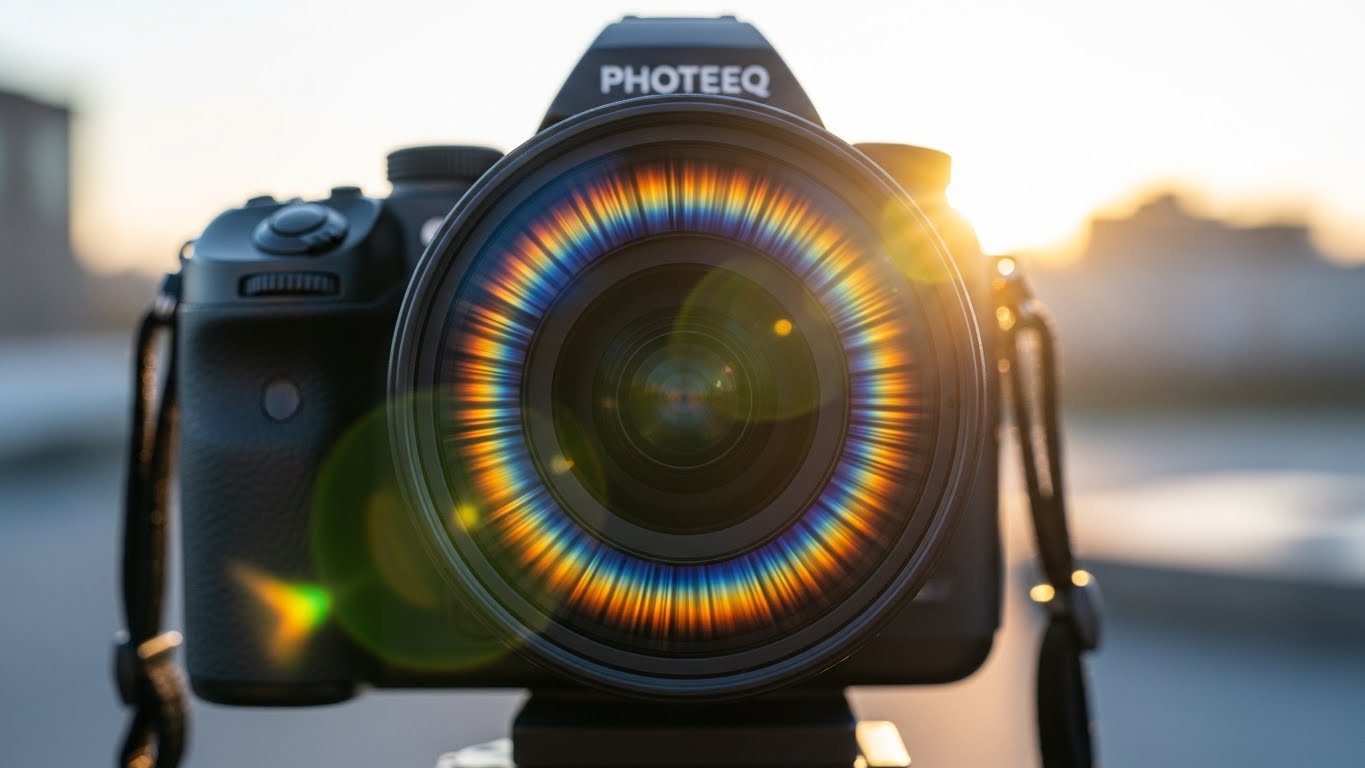
Photography has always been about more than technical accuracy. It is a form of visual storytelling that blends light, emotion, and perspective into a single frame. Among the many creative tools photographers use today, photeeq lens flare stands out as a distinctive effect that transforms ordinary images into expressive visual narratives. Rather than being seen as a flaw, lens flare has become a deliberate artistic choice that enhances mood, depth, and realism in both photography and digital art.
In recent years, digital creators and photographers have increasingly embraced lens flare effects to add warmth and atmosphere to their images. With advanced tools and plugins available, photographers no longer need to rely solely on chance lighting conditions. Instead, they can craft controlled and visually appealing effects that align with their creative vision.
Understanding Photeeq Lens Flare in Digital Photography
The concept behind photeeq lens flare originates from the natural interaction between light and camera lenses. Traditionally, lens flare occurred when bright light entered a lens at a particular angle, creating streaks, halos, or reflections. While photographers once tried to avoid this effect, modern visual trends have shifted perception, turning lens flare into a symbol of realism and cinematic quality.
Photeeq’s approach focuses on recreating these light interactions digitally while maintaining authenticity. The software allows artists to simulate how light behaves in real lenses, producing results that feel organic rather than artificial. This balance between realism and creative control is what makes the effect so appealing in contemporary photography.
The Artistic Value of Photeeq Lens Flare in Visual Storytelling
Visual storytelling relies heavily on atmosphere. Light plays a crucial role in setting tone, whether the goal is nostalgia, drama, or serenity. Photeeq lens flare contributes to this by introducing subtle imperfections that mimic real-life viewing experiences. Human eyes naturally perceive light distortions, and images that reflect this feel more immersive.
Photographers working in portrait, landscape, and lifestyle photography often use lens flare to suggest warmth and emotion. For example, a soft flare near the edge of an image can imply a sunset glow, while sharper streaks can add intensity to urban or action shots. The artistic value lies not in overpowering the subject, but in complementing it.
Technical Features Behind Photeeq Lens Flare Effects
From a technical standpoint, photeeq lens flare is designed to be flexible and user-friendly. It integrates smoothly into digital editing workflows and allows photographers to fine-tune multiple parameters. These include light source position, intensity, color temperature, and transparency, all of which contribute to a customized final result.
The following table highlights key technical elements and their creative impact:
| Feature Aspect | Function in Editing | Visual Outcome |
|---|---|---|
| Light Angle Control | Adjusts direction of light | Natural depth and realism |
| Intensity Scaling | Controls brightness level | Balanced exposure |
| Color Adjustment | Matches scene temperature | Emotional consistency |
| Layer Blending | Integrates with image layers | Seamless composition |
These features allow creators to adapt the effect to different genres without sacrificing image quality.
Photeeq Lens Flare in Portrait Photography
Portrait photography benefits greatly from controlled lighting effects. Photeeq lens flare adds softness and dimension to portraits, especially when used subtly. A gentle flare can enhance skin tones, create a halo effect around hair, and bring a sense of intimacy to the image.
Rather than distracting from facial details, a well-placed flare guides the viewer’s eye toward the subject. This is particularly effective in outdoor portraits, where natural light sources such as the sun or streetlights can be simulated or enhanced digitally.
Landscape Enhancement Through Photeeq Lens Flare
Landscapes often rely on scale and atmosphere to convey emotion. Using photeeq lens flare in landscape photography helps emphasize natural light sources like sunrise or sunset. It adds a cinematic feel that draws viewers into the scene and enhances depth perception.
Below is a comparison table demonstrating how lens flare affects landscape imagery:
| Without Flare | With Digital Flare | Viewer Perception |
|---|---|---|
| Flat lighting | Enhanced highlights | Increased realism |
| Neutral mood | Warm ambiance | Emotional engagement |
| Static appearance | Dynamic light flow | Cinematic depth |
This subtle transformation can elevate simple landscapes into compelling visual experiences.
Workflow Integration and Editing Efficiency
One of the strengths of photeeq lens flare lies in its seamless integration with existing editing workflows. Whether used in professional studios or by independent creators, the effect is designed to complement standard post-processing steps rather than complicate them.
Photographers can apply the effect non-destructively, ensuring that original image data remains intact. This flexibility encourages experimentation without risk, allowing artists to explore different lighting moods before settling on a final composition.
Creative Control and Customization Options
Customization is essential for maintaining originality in visual content. Photeeq lens flare offers extensive creative control, enabling users to design effects that match their artistic identity. From subtle glows to dramatic streaks, the range of possibilities supports diverse creative goals.
The customization options are especially valuable for branding and social media visuals, where consistency in style is important. By saving presets, creators can maintain a recognizable aesthetic across multiple projects.
The Role of Photeeq Lens Flare in Modern Visual Trends
Modern visual trends favor authenticity and emotional resonance. Audiences respond positively to images that feel natural and immersive. Photeeq lens flare aligns with this trend by replicating imperfections found in real-world lighting conditions.
In advertising, editorial photography, and digital art, lens flare is often used to suggest realism and spontaneity. These qualities help brands and creators connect with viewers on a more personal level.
Common Mistakes to Avoid When Using Photeeq Lens Flare
While the effect is powerful, overuse can reduce its impact. Applying excessive flare may distract from the subject or make images appear artificial. Balance is key when working with photeeq lens flare, as subtlety often produces the most professional results.
Photographers should also consider the direction and source of light within the image. Aligning digital effects with logical light placement ensures consistency and visual credibility.
Future Potential of Photeeq Lens Flare Technology
As digital imaging tools continue to evolve, lens flare technology is expected to become even more refined. Advances in artificial intelligence and real-time rendering may further enhance the realism and adaptability of photeeq lens flare.
Future developments could include automated light analysis, allowing the software to suggest optimal flare placement based on image content. This would streamline editing while preserving creative freedom.
Conclusion on Photeeq Lens Flare in Creative Photography
Photography thrives on the balance between technical skill and artistic expression. Photeeq lens flare exemplifies this balance by offering photographers a way to harness light creatively without losing authenticity. Its ability to enhance mood, depth, and s